An essay and a reading list
Quiet Western Fiction
No gunfights required. Stories about consequence, restraint, and aftermath rather than violence or spectacle.
Western fiction carries a reputation it did not always earn.
For many readers, the word Western suggests gunfights, standoffs, and characters defined by violence rather than consequence. The genre is often associated with noise—raised voices, raised stakes, and conflicts resolved through force.
But that is only one version of the West. And it is not the one these stories come from.
Quiet Western fiction is less concerned with action than with aftermath. Less interested in victory than in cost. The tension does not come from who draws first, but from what remains when a place, a system, or a person is asked to endure longer than they were meant to.
In these stories, violence is rare—and when it appears, it is never the point. What matters is what follows: the silence after, the accounting, the subtle reordering of lives that must continue in the same geography with fewer illusions.
The West, in this tradition, is not a stage for heroism. It is a pressure. A landscape that records decisions whether they are acknowledged or not.
Towns struggle with usefulness. Order replaces survival. Systems outlive the people they were built for. Characters are shaped less by what they do than by what they carry—and what they choose not to explain.
These stories do not argue with the genre. They narrow it.
They trust restraint. They trust readers. They trust that meaning does not need to be announced to be felt.
Where to begin
-
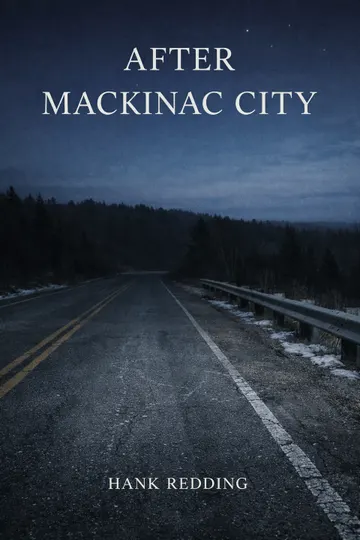
After Mackinac City
If you are wary of Westerns but open to quiet, literary fiction: a short story about distance, absence, and the quiet accumulation of leaving.
-
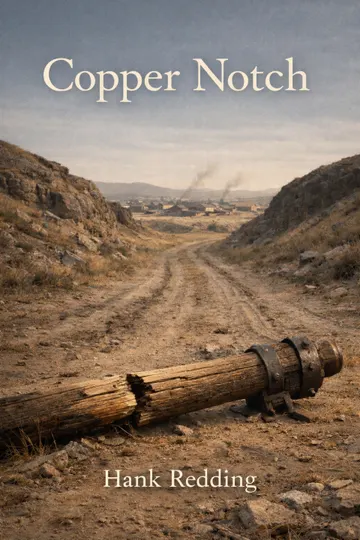
Copper Notch
If you want to see how a town becomes a burden rather than a promise: the opening of a novella about endurance, systems, and the cost of remaining useful.
-
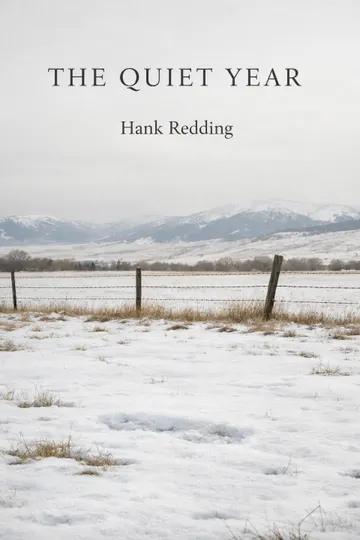
The Quiet Year
A season on a Montana ranch that refuses to declare itself. Work continues, a neighbor disappears, and the land quietly adjusts.
-
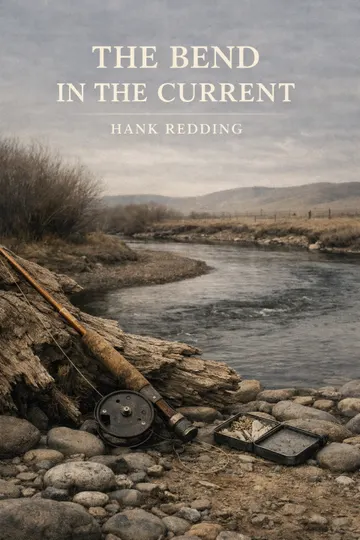
The Bend in the Current
A solitary rancher, a slow bend in the river, and a boy who arrives looking for work. What continues without resolution.
Western fiction does not have to be loud to be honest. It does not have to perform violence to prove seriousness.
Sometimes the most Western thing a story can do is refuse to raise its voice.
Read further