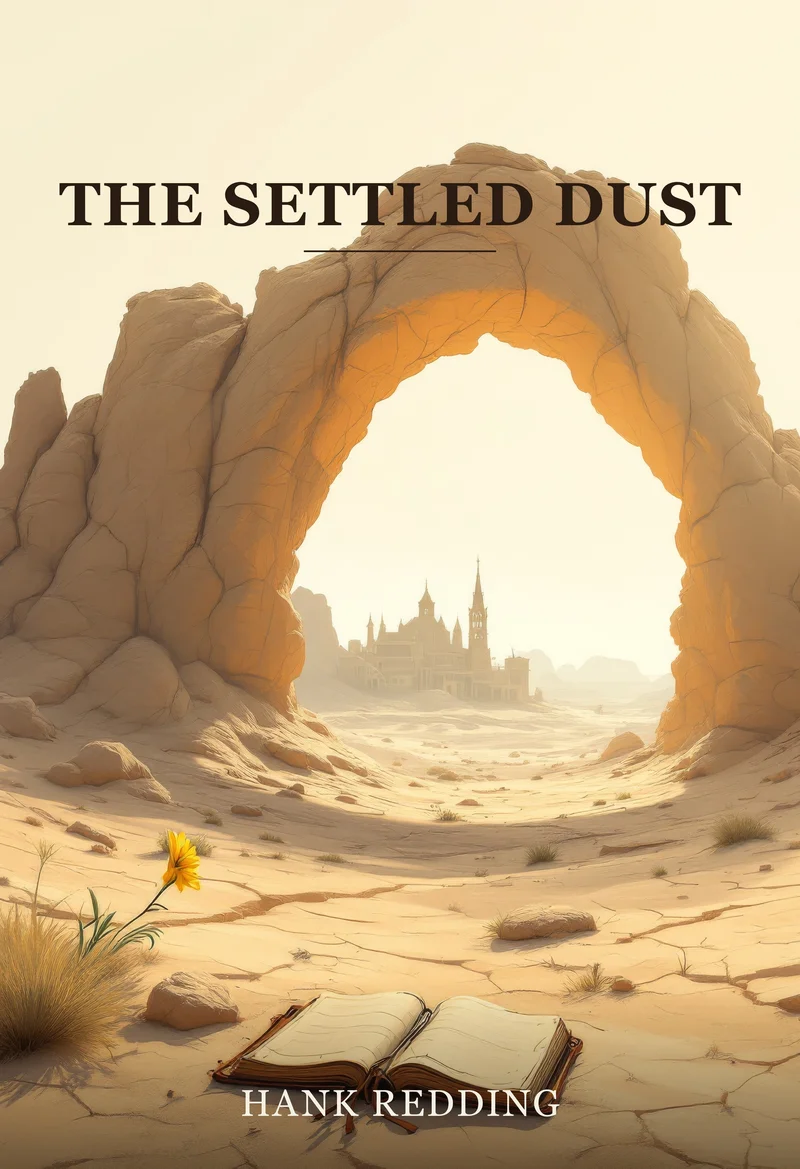
The Settled Dust
A Weird Western Novella
A surveyor finds a dead man’s journal beside an arch no map admits exists. The last page is still writing itself.
Free with Kindle Unlimited • Kindle edition $2.99 • Paperback on Amazon
Velo Bullhead rides into a basin the land office swears is empty, sent to measure ground that isn't supposed to remember anything at all.
Read more
She came to survey land for outside investors who have never set foot in it. Beside a stone arch no map admits exists, she finds a dead man's journal. Every page is dated June 3rd. The last one is still writing itself.
The town she finds holds its evidence the way a ledger holds a debt — not forgiven, only quiet. A wagon-fixer who finally set his tools down. A woman who traded her gun for something harder to carry. A cook who has just remembered how to speak. For the first time in decades, it's raining, and everything the dust once hid is starting to surface.
Velo came to draw an honest line. What this basin teaches her is a harder kind of honesty: that some truths, filed plain, only hand a debt to men who will never pay it. Her final survey will decide what the world gets to know about this basin — and what it doesn't.
The Settled Dust is a quiet weird western novella and a sequel to Dust Will Tell, for readers who like moral ambiguity, ghost towns that don't explain themselves, and endings that trust you to sit with the question.
Read the opening
The arch did not cast a shadow, but the ground beneath it had learned how to hold one.
Velo Bullhead unbuckled her transit case and set it flat in the gravel. The brass latch gave a dry, metallic snap that carried nowhere—no echo off the rimrock, no roll across the flats, just a blunt drop into the quiet.
Behind her, thirty miles of scrub and alkali stretched back toward the railhead at Dos Cabezas. In front of her, where the regional land office swore there was only broken grade and unassigned basin, stood the curved span of sandstone.
Beside the base of the left riser, half-swallowed by drift, lay a rectangular slab of dark leather.
Velo didn’t reach for it right off. A good surveyor touched nothing until she’d leveled the legs and pulled the first sight line. She was thirty-two, built square in the shoulders, and wore a canvas duster stiffened by alkali dust and axle grease. Stamped into the brass plate of her tripod collar, clean and deep enough to outlast the season, was her name:
V. BULLHEAD.
The company men in Denver had paid half her fee in advance because three previous contractors had come back with empty notebooks and stories about heat sickness. The Western Continental Land & Mineral Syndicate did not pay for heat sickness. They paid for corners, chains, and township grids that could be registered in a county courthouse and sold to cattle syndicates before the winter grass died.
They did not discover places. They converted them.
“Find the seam,” the division agent had told her, tapping a blank white thumbprint on the territorial plat. “Water sinks somewhere in that bench. Find where it goes, drive the stakes, and map the grade. Leave the ghost stories to the prospectors.”
Velo stepped past the brass legs of her tripod and crouched by the stone.
The book was smaller than her company field register, bound in rough cowhide with the corners split and frayed. No strap. No brass clasp. Just dry leather, soft as flannel from sun and handling. A single yellow flower grew three inches from the spine, rooted in a hairline fracture between two shale plates—petals spread flat, unmoving, yellow as sulfur. No other green showed within five leagues.
She nudged the book with the toe of her boot. It didn’t slide. The dirt around it had settled tight, crusted with a pale alkaline glaze.
Velo picked it up.
The leather was cold. Not desert-morning cool, but cold like a well-chain hauled up from deep gravel. She turned it over in her bare palms. On the front, scratched with the point of an awl or a pocketknife, was a single capitalized letter:
M.
She opened the cover.
The first page was brittle at the margins, covered in tight, sloping script written in dark graphite:
June 3rd. Noonlight. No landmarks. Compass unreliable. Terrain dry, flat, crusted with mineral haze. Windless. Silence feels... heavy.
Velo squinted, her thumb resting on the paper. She turned to the second leaf.
June 3rd. Possible optical illusion—no shadows observed. Check again tomorrow.
She flipped three pages ahead.
June 3rd. Harlen’s wagon. Ridge does not hold distance. The ink will not dry.
She flipped twenty pages deep, the paper fluttering with a faint, dry rasp. Every header bore the identical date, inked or penciled with varying pressure, some lines heavy enough to score the pulp, others faint as grease pencil on slate:
June 3rd. June 3rd. June 3rd.
Then she reached the final page.
It was blank. No date, no field notes, no signature. But where her thumb pressed against the bottom corner, the paper was warm—not cold like the binding, but holding the faint, greasy heat of a hand that had closed it only minutes ago.
“Marr,” she murmured, the name coming to her from the bottom of an old index ledger in the territorial surveyor general’s basement. Henry Marr, 1878. Ellis Marr, 1894. Both listed as Survey Uncompleted / Discontinued by Field Agent.
More from Hank Redding
-
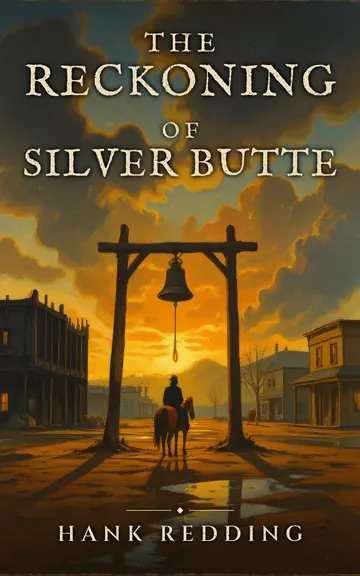 The Reckoning of Silver Butte
Kindle Unlimited
-
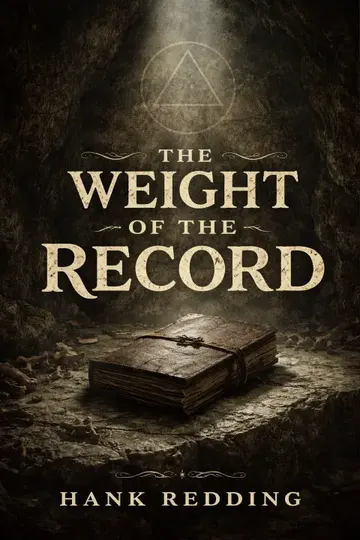 The Weight of the Record
Free to read
-
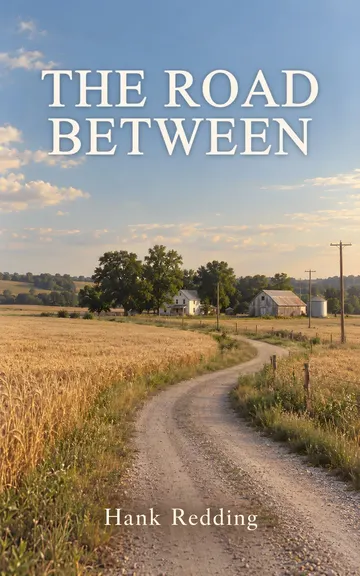 The Road Between
Kindle Unlimited
-
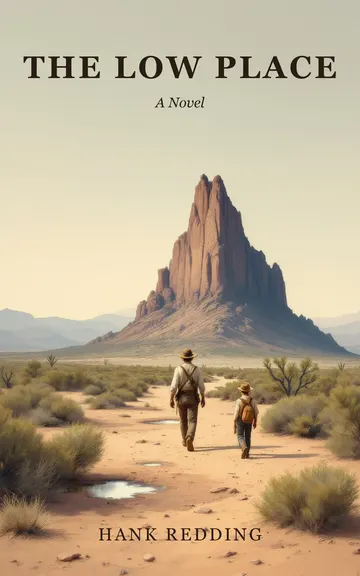 The Low Place
Kindle Unlimited
Or start free with Just Onward, a short story. All the books · All the open stories
When a new story goes up
Leave an email and I’ll write when there’s a new story. Nothing else, and you can leave any time.
Or follow by RSS.